
Key Points
The safest stablecoin nowadays is not just the most technically resilient. These assets have matured from obscure tokens issued by offshore entities to heavily regulated assets fully backed by either fiat or crypto reserves.
The days of experimental algorithmic tokens are probably over and have been replaced by heavily regulated, transparent, and reserve-backed assets.
The safest stablecoin these days is a gateway to the crypto ecosystem and a suitable alternative to a traditional savings account, offering attractive yields.
However, most investors nowadays are concerned about finding a stable asset that both preserves their capital and produces high yields.
In this guide, we will be sharing a breakdown of the top 5 safest stablecoins to help investors shortlist their candidates.
Our Ranking Criteria: What Defines a “Safe” Stablecoin?
To determine which asset earns the title of the safest stablecoin, we evaluated each of the candidates based on four fundamental pillars:
- Reserve Quality: Is the token backed by physical cash and short-term U.S. Treasuries, or by more volatile “market-based” assets?
- Regulatory Oversight: Is the issuer a licensed trust company subject to regular state or federal audits?
- Transparency & Attestation: Does the issuer provide real-time or monthly proofs of reserves conducted or audited by a reputable third-party accounting firm?
- Market Liquidity: In the midst of a market-wide turmoil, can you easily swap $1 million worth of the token for “real” dollars without causing it to lose its peg?
Comparative Analysis for Safest Stablecoins
| Stablecoin | Safety Rank | Transparency | Primary Backing | Best Used For |
|---|---|---|---|---|
| USDC | 1 (Platinum) | Real-time / Monthly | Cash & T-Bills | Long-term Savings |
| RLUSD | 2 (Gold) | Monthly Attestations | T-Bills, Money-Market Funds & Cash | Institutional Use |
| PYUSD | 3 (Gold) | Monthly Attestations | T-Bills & Cash | Retail Payments |
| USDS | 4 (Silver) | Real-Time On-Chain Data | Crypto & RWAs | DeFi Yields |
| USDT | 5 (Silver) | Quarterly Attestations | Mixed Reserves (Fiat and Crypto) | Global Trading |
1. USD Coin (USDC): The Regulated “Poster Child”
USDC remains the benchmark for transparency and safety. Issued by Circle and backed by Coinbase, USDC has successfully positioned itself as the “digital dollar” of the institutional world.
- Who Issues It: Circle Internet Financial.
- Who Regulates It: Regulated as a licensed money transmitter across dozens of U.S. states and compliant with the 2025 GENIUS Act.
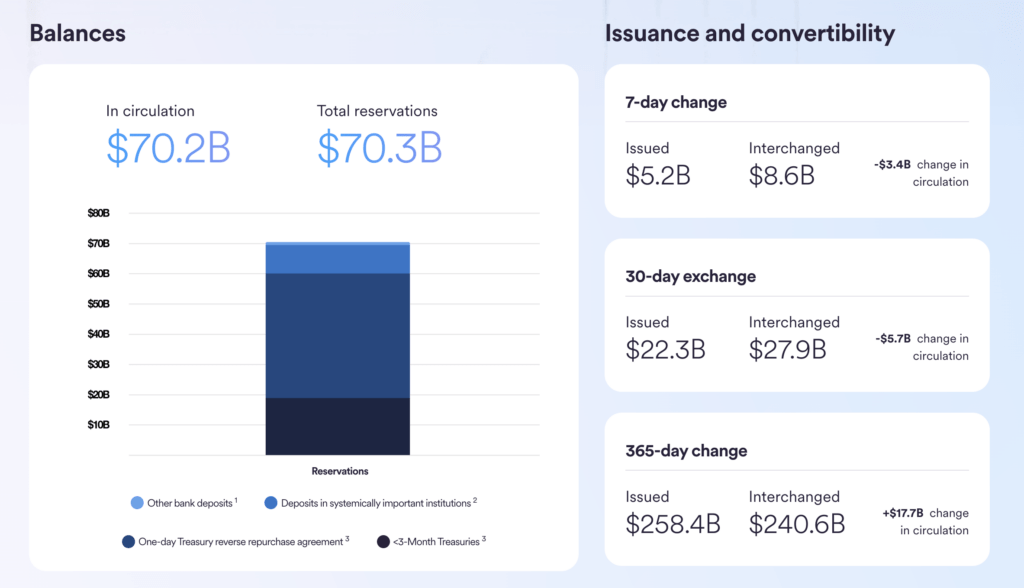
- Market Cap: ~$71 billion.
- Why it’s so safe: USDC reserves are held in segregated accounts at major U.S. financial institutions and consist almost entirely of cash and short-term U.S. Treasuries. The monthly attestations provided by Deloitte offer a level of granular detail that few competitors can match.
Analyst’s Take: USDC is the “boring” choice in the best way possible. If your priority is ensuring your $10,000 will still be worth exactly that amount three years from now, this is your primary vehicle.
Yield: You can earn yield on USDC easily via Binance Earn. The APY currently sits at 7%. Several DeFi protocols like Aave and Maple Finance on Ethereum and Kamino on Solana currently offer attractive yields for this stablecoin as well.
2. Ripple USD (RLUSD): The Regulated Newcomer
Ripple’s launch of RLUSD in December 2024 has been a game-changer for the industry. It has also paved the way for a new era of cross-border payments powered by the XRP Ledger.
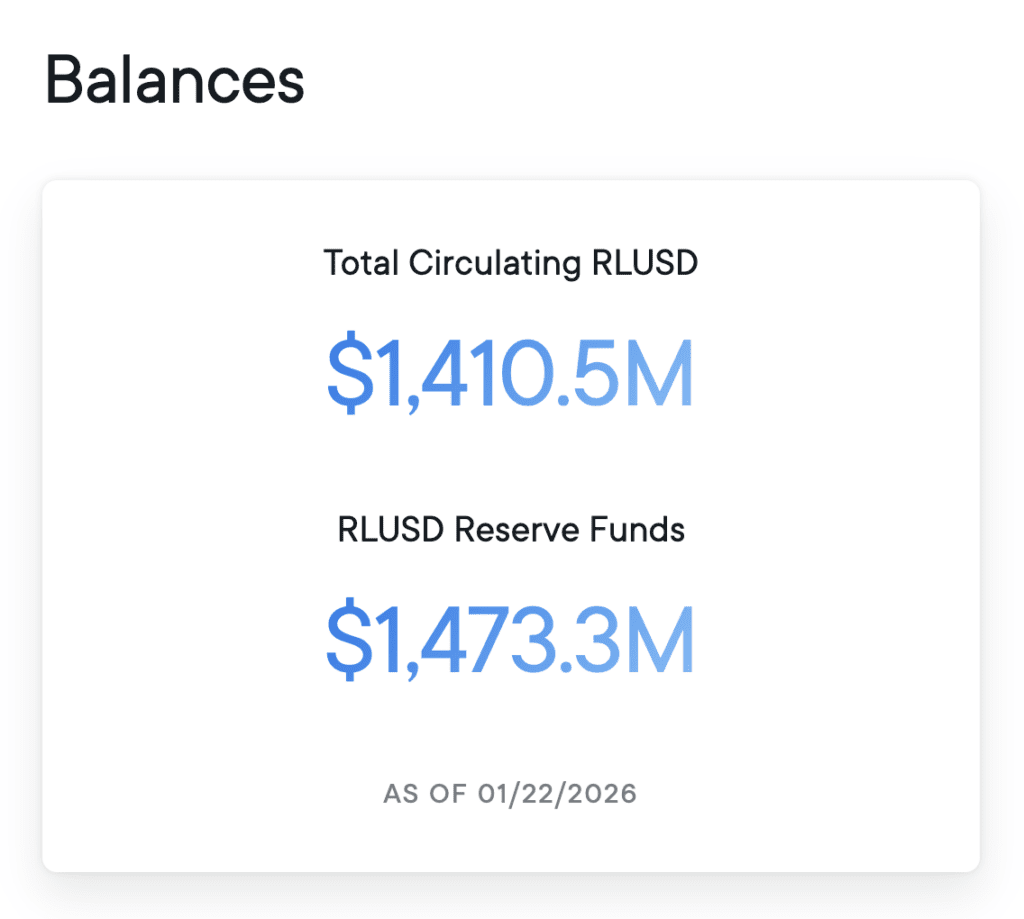
Designed to support institutional cross-border remittances, RLUSD has already reached a market cap of $1.50 billion. This asset combines Ripple’s robust blockchain infrastructure with a “compliance-first” philosophy.
- Who Issues It: Ripple Labs.
- Who Regulates It: Issued under a New York Trust Company Charter, one of the most stringent financial licenses in the world.
- Market Cap: ~$1.50 Billion (and growing rapidly).
- Why it’s so safe: RLUSD is fully backed by USD deposits and government bonds. Its New York charter means it must adhere to the New York Department of Financial Services (NYDFS) standards, which are well-known for their strictness regarding reserve management.
3. PayPal USD (PYUSD): The Mainstream Bridge
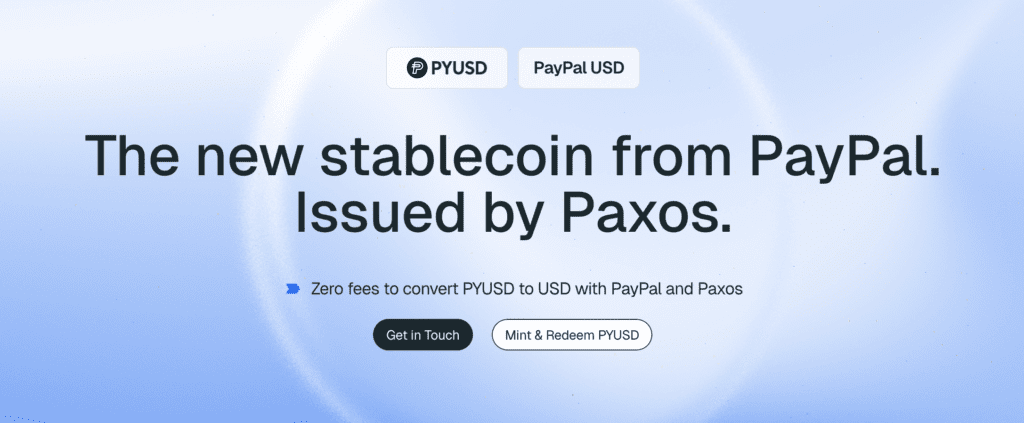
PYUSD leverages the reputation of one of the world’s most recognized consumer brands to bring stablecoin savings to the average Joe and Jane. This stablecoin can be used to make payments via the PayPal platform and earn a 4% yield by simply holding it in their electronic wallet.
- Who Issues It: Paxos Trust Company (on behalf of PayPal).
- Who Regulates It: Paxos is a New York-based regulated trust company, subject to NYDFS oversight.
- Market Cap: ~$3.5 Billion.
- Why it’s so safe: Because it is issued by Paxos, the reserves are unreachable to PayPal’s creditors in the event of a bankruptcy. Users can also convert their PYUSD to USD easily through either of the two companies at any given point.
4. USDS (Sky Dollar): The Decentralized Safe Haven
Formerly known as DAI, this stablecoin was rebranded to USDS by Sky (formerly MakerDAO). USDS represents the safest choice for those who prefer to rely on decentralized assets.
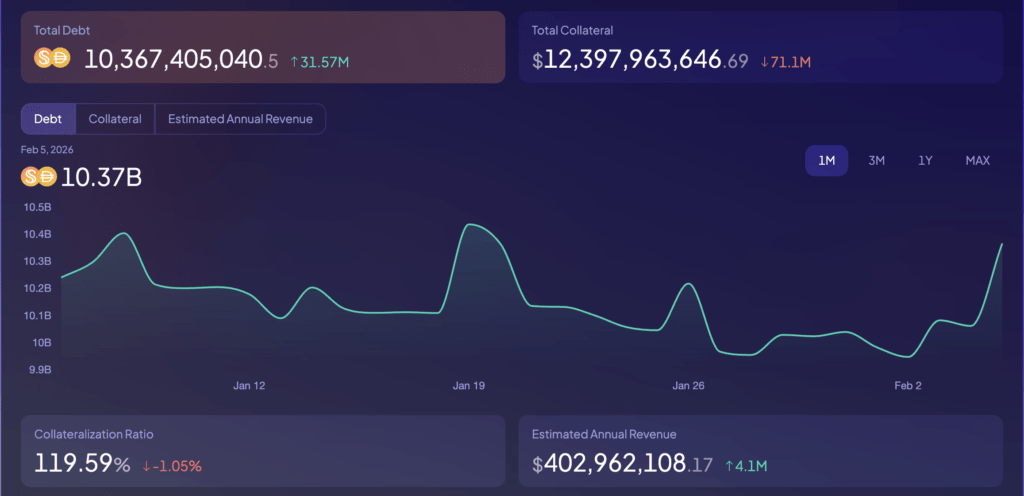
Instead of being backed by fiat reserves, this stablecoin maintains its peg by holding a diversified portfolio of digital assets that always exceeds the market value of all USDS in circulation.
At the time of writing, stablecoins, on-chain loans, and AAA corporate bonds make up for 85% of USDS’s reserves.
- Who Issues It: Sky Protocol (A Decentralized Autonomous Organization).
- Who Regulates It: Regulated by smart contracts and community governance.
- Market Cap: ~$9.4 Billion.
- Why it’s so safe: USDS is an over-collateralized stable asset. For every 1 USDS token in circulation, there is typically $1.1 to $1.5 dollars worth of digital assets locked in smart contracts. The massive integration of real-world assets (RWAs) like tokenized U.S. Treasury bills has made Sky’s pegging mechanism more resilient than ever.
5. Tether (USDT): The King of Liquidity
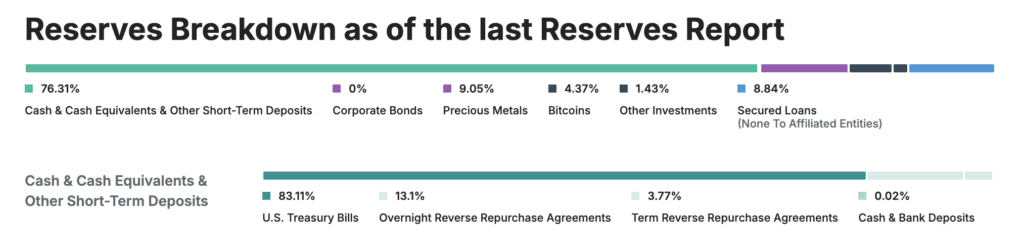
Tether has faced strong criticism regarding transparency for years. However, this company has become the seventh-largest holder of U.S. Treasuries globally. Its safety lies in its sheer scale and “battle-tested” track record.
- Who Issues It: Tether Limited.
- Who Regulates It: Operates primarily out of offshore jurisdictions, though it has increased cooperation with U.S. law enforcement in the past couple of years.
- Market Cap: ~$185 Billion.
- Why it’s so safe: Resilience. USDT has survived every market crash, de-peg event, and regulatory rumor since 2014. Its massive liquidity means that even in a “panic” there is almost always someone willing to buy your USDT for $1.00.
How to Earn Yield on Stablecoins Safely
Once you’ve selected the safest stablecoin, the next step would be to earn yield on these assets. The good news is that you don’t need to take massive risks to earn a 5% to 7% APY anymore.
Low-Risk: Centralized Savings
Platforms like Coinbase or Binance offer “Earn” programs for USDC and USDT. Since these are regulated exchanges, your primary risk is the platform’s solvency.
Moderate-Risk: Blue-Chip DeFi
Lending your USDS or USDC on protocols like Aave V3 allows you to collect the interest paid by borrowers. Keep in mind, you are exposed to smart contract risks, which is the possibility that the platform’s underlying coding is flawed. However, Aave has processed billions of dollars for years without a major exploit, making it a safe choice to earn yield on stablecoins.
Final Thoughts
Keep in mind that, when it comes to picking the safest stablecoin, safety is a spectrum, not a binary choice.
If you are a U.S. resident aiming to get maximum legal protection, USDC or PYUSD will probably win you over. Meanwhile, if you are an international trader who needs to move $5 million across borders on a Sunday afternoon, USDT is arguably the most reliable option to get things done.
Keep in mind that, as the U.S. Treasury market moves, so do the yields offered by these stablecoins. Diversification is key if you plan to use these instruments to save money and earn yield. Stay safe!